

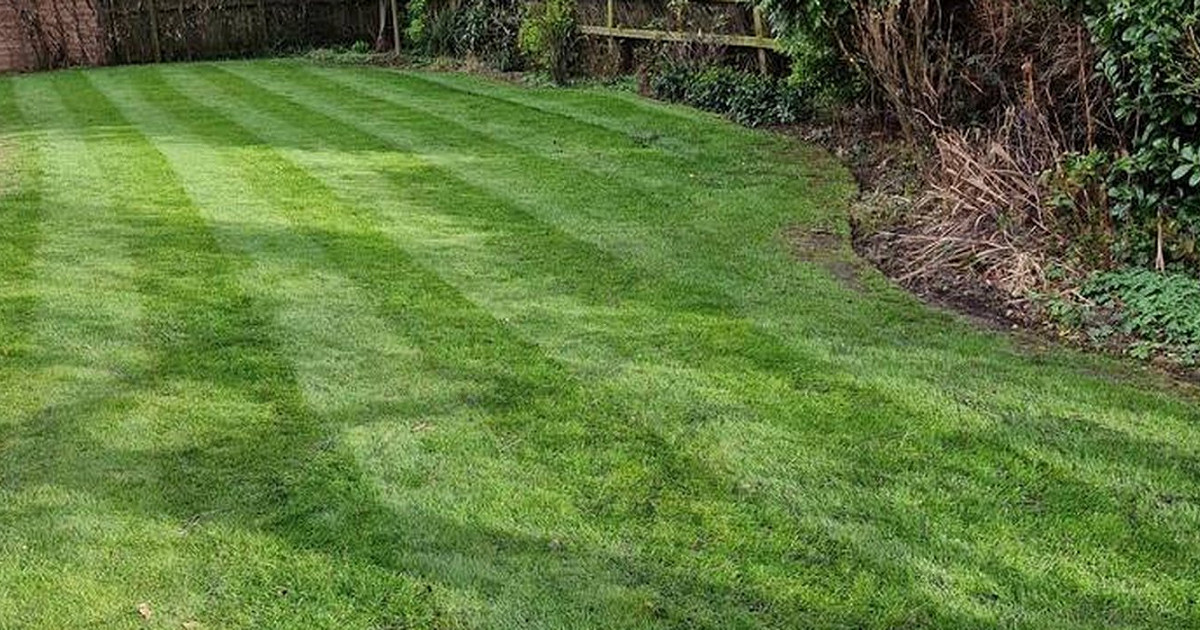
Spring is when a lawn either bounces back or struggles for the rest of the year. After months of rain, frost and short days, most lawns come out of winter looking tired. The good news is that, with the right care at the right time, they recover quickly once the soil warms up.
What winter leaves behind
- Moss: it thrives in wet, shady conditions and often spreads over winter
- Thin and bare patches: from waterlogging, fallen leaves left on the lawn, or heavy use
- Weeds: they start growing as soon as the weather warms, often before the grass does
- Grub damage: grass that has thinned or disappeared over winter, especially at the edges, can be a sign of leatherjackets
Jobs you can do yourself
- Rake up leaves, twigs and anything else left lying on the lawn
- Keep off the lawn when it's frosty or waterlogged, as walking on it then does real damage
- Make the first cuts on a high setting once the grass starts growing, and only take the top off
- Make sure your mower blades are sharp, so they cut the grass cleanly rather than tearing it
- Don't be tempted to cut it short to tidy it up. Short grass is weaker, and lets weeds and moss in
The spring treatment
Our spring visit gives the lawn the nutrition it needs to start growing strongly, treats the weeds that have appeared, and controls moss where it's needed. It's the first of our seasonal treatments, which follow on roughly every ten weeks through the year, each one adjusted to the weather and to what your lawn needs at the time.
Please don't mow for three days after a treatment, so it has time to work.
Aeration and overseeding
From mid March, aeration and overseeding is the best way to bring back a lawn that has been thinned or left bare over winter. Aeration relieves compaction and lets air, water and nutrition reach the roots. Overseeding then fills in the gaps with new grass, which also leaves less room for weeds and moss.
New seed needs watering. Use a sprinkler and give each area a set time before moving it on. Leave the first mow until three weeks after seeding, on a high setting, then mow every four to five days to help the new grass establish.
Wetting agent
Our springs and summers are getting drier. A wetting agent applied in April or May helps water soak into the soil rather than running off, and keeps working for around three months, so your lawn is better prepared for dry spells.
How we can help
We're a family business, established in 2020, with PA1 and PA6 licences and membership of the UK Lawn Care Association. We look after lawns all year round, and spring is when that care makes the biggest difference.
Give us a call on 0800 160 1266, email info@yorkshire-lawncare.co.uk, or fill in the form below for a free lawn evaluation.


